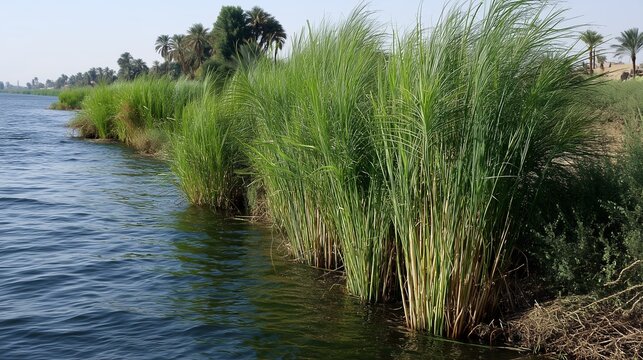
As Goddess of Magic, Goddess of Healing, and Lady of Green Plants, Isis is associated with a wide variety of magical and healing herbs.
The historian Diodorus Siculus records that the Egyptians credited Isis with discovering many health-giving drugs for She is “greatly versed in the science of healing.” He also notes that the Goddess passed this medical knowledge down to Her son Horus Who became a benefactor of humanity through His healings.
The Graeco-Egyptian magical papyri give us an herb-collecting rite said to be used by Egyptian herbalists. The herbalist purified herself, fumigated the herbs she wished to harvest, burned kyphi incense, and poured a libation of milk. At the moment of picking, she addressed the herb itself and associated the plant with a long roster of Deities. (This same Egyptian technique was used in healing rites for both humans and animals.) During this address, the herb was said to have been given birth by Isis.
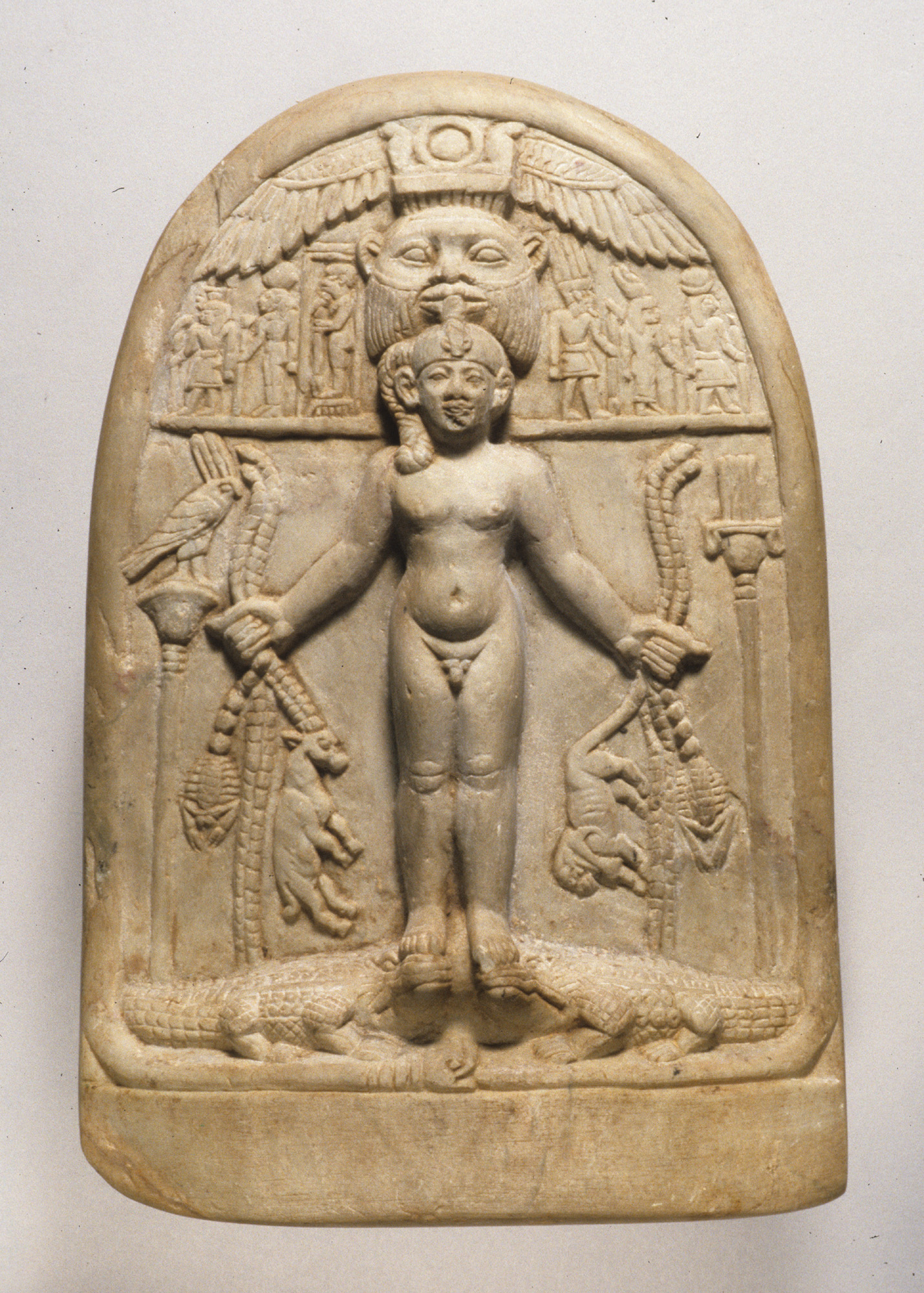
A number of magical and healing herbs were named for the Goddess. Galen, an ancient Greek medical writer, tells of a widely useful, but now lost, drug named for Isis that had earned its name because it could staunch wounds, cure headaches, and was good for lesions, ulcers, fractures, and bites. As an herb good for many types of healing, it would have been an appropriate namesake for the all-healing Goddess Isis.
The magical papyri call for herbs called the Footprint of Isis and the Amulet Plant of Isis. Other Egyptian texts mention a medicinal plant called Sa en Iset, the “power of Isis.” Unfortunately, we don’t know the modern identities of any of these plants.
We can, however, identify an ingredient called the Guide of Isis. It is myrrh, the fragrant resin of the myrrh tree (see “Myrrh”). Myrrh was used as incense, in perfume, as offerings, and especially to purify and care for the dead.
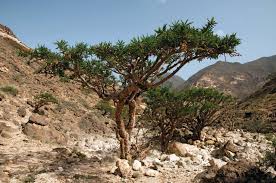
In a formula from the magical papyri, myrrh is part of a type of magical ink said to be used by Isis when She assembled the pieces of the body of Osiris. The ink included three dried figs, three date pits, three fragments of wormwood, and three lumps of myrrh. These were used to write a formula that Isis spoke and wrote when (the spell states) “after taking up Osiris, she fit together his separated members. Asklepios saw Osiris and admitted that he could not put together someone who was dead even with the help of Hebe or of anyone else.”
In this case, the myrrh ink is being used in a necromantic rite, a rite to raise the spirit of a dead person for divination. Given Isis’ connection with “raising the dead” in the form of Her dead husband, Isis’ general association with death and realm of the dead, as well as myrrh’s connection with death, the ancient magician is using right-on-target correspondences for the rite.
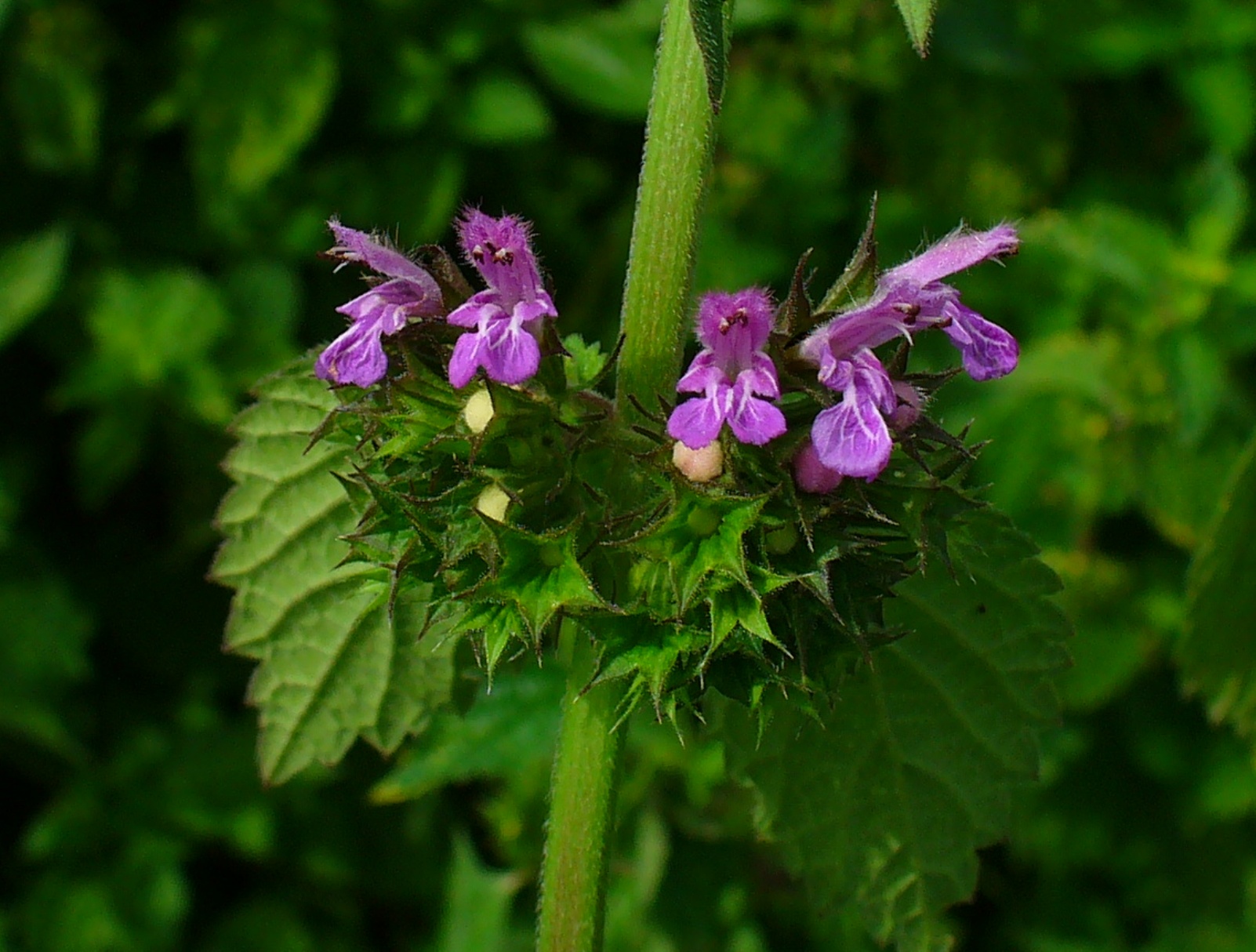
An herb sometimes called the Blood of Isis has been identified as black horehound. One of the things black horehound is given for is menstrual issues. So the blood to which its name refers may be meant as Isis’ menstrual blood or perhaps Her birthing blood.
Yet another herb, vervain, was said to have grown from the tears of Isis. Some of vervain’s folk names are in harmony with this Isiac connection for it is also known as Enchanter’s Plant and Juno’s Tears. At least one modern magical herbalist suggests that vervain be gathered when Sirius, the star of Isis, is rising but before either sun or moon is visible. We also have a surviving record of an herbal headache remedy reputed to be the very one Isis used to cure Re’s headache. It includes equal parts of juniper, coriander, poppy, wormwood, and honey. These were to be mixed to a paste and rubbed on the aching head. Both juniper and coriander are frequently used in modern headache remedies as well, though not as a topical treatment.
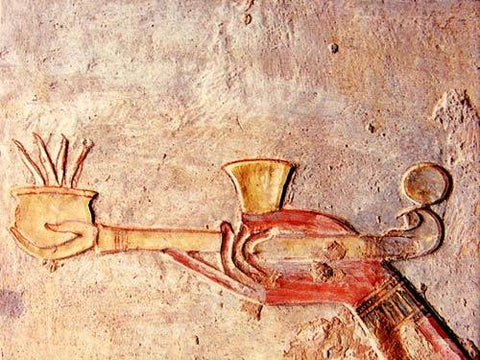
As were all the Egyptian Deities, Isis is associated with perfumes. Probably the most famous Egyptian scent known to us today is kyphi. We usually think of it as incense, but it was also a perfume. In fact, a recipe for kyphi perfume was engraved on the walls of Isis’ temple at Philae. Kyphi incense was used mainly in ritual—as in the herb-gathering rite above. It welcomed the Deities. It was said to be able to lull to sleep, to relax a person, and to enhance dreams. It has many ingredients and was a costly offering. It includes wine, raisins, sweet flag, cinnamon, frankincense, myrrh, juniper, aromatic rushes, honey, and more. The kyphi incense I’ve had the pleasure to burn is delightful. Other incenses are associated with Isis in the magical papyri. One is a blend of sulfur and the seed of Nile rushes and was intended as lunar incense. Another calls for cypress and papyrus to be burnt in offering as part of a rite asking Isis to reveal the future.
Isis is the Mother of Herbs and the Goddess of healing medicines and magical incenses. Thus do we offer unto Isis that which is Hers.
The above is an excerpt from Offering to Isis, Knowing the Goddess through Her Sacred Symbols. You can purchase a beautiful hardback copy here.
The following is an invocation offering, that is, a spoken offering, you can use to offer the Goddess these magical and healing herbs:
To Isis, Herbs (En Iset, Mesta)
This is a gift the priest/ess/ex brings before the compassionate face of Isis, Great Goddess of Healing Magic: an invocation offering of magical and healing herbs.
I have burned the incense. I have poured the milk. I have spoken the Divine Names over these herbs at the moment of picking. Full of magic they are. Full of life. Full of the power of their Mother Isis.
This one for dream vision. This one for cleansing. This one for bellyache. This for sweet bliss with a lover. And this for the dead. Born of the Goddess’ blood, they put out roots into the black earth. They are refreshed with the green flood of Osiris. Sacred, holy they are.
O Isis, take these herbs—as sweet and bitter as our lives. Bruise, brew, dry, crush, blend, or burn them. In transformation their power is released. By Your transforming hand their magic is made perfect.
Listen, O Isis, to the words of the Herb: “I am offered unto Isis for I am Her wisdom-puzzle. You are to find me out, O siblings of the Green Ones. Experiment, devise, learn what you do not know. Shall I bring healing, ecstasy, nepenthe, death? Take me, I am a willing sacrifice. I am the blessing of Isis. I am the Herb.”
Unto You, Isis, I offer these magical and healing herbs and all things beautiful and pure. M’den, Iset. Accept them, Isis.
The above is an excerpt from Offering to Isis, Knowing the Goddess through Her Sacred Symbols. You can purchase a beautiful hardback copy here.
 Isiopolis