In one of the Oxyrhynchus papyri, there is a hymn to Isis that lists some of the many places throughout the Mediterranean that Isis is worshipped, and by what name each of those places invokes Her. Among the Amazons, we learn that Isis is called “Warlike.”
I don’t know about you, but I am feeling some serious Amazon energy right now; as in, “we need more Amazon energy right now.” With Saturn and Neptune conjunct in Aries, the time is ripe for change. Spring is coming. And spring is always a time for uprising, is it not?
But who were these Amazons who worshipped Isis? And how did Isis come to be known as the Warlike Goddess among them? It’s something I’ve wanted to look into for a while now, so let’s.
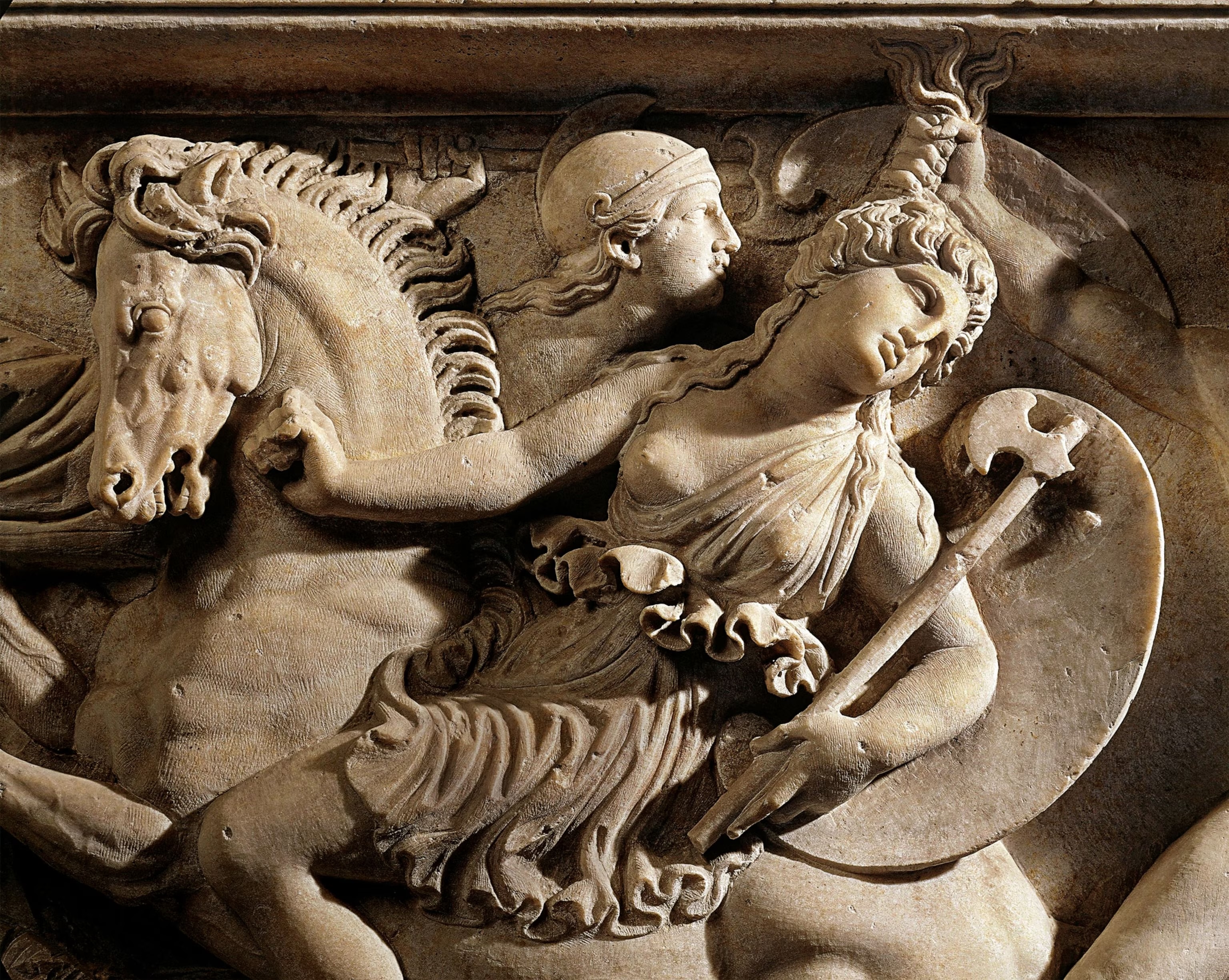
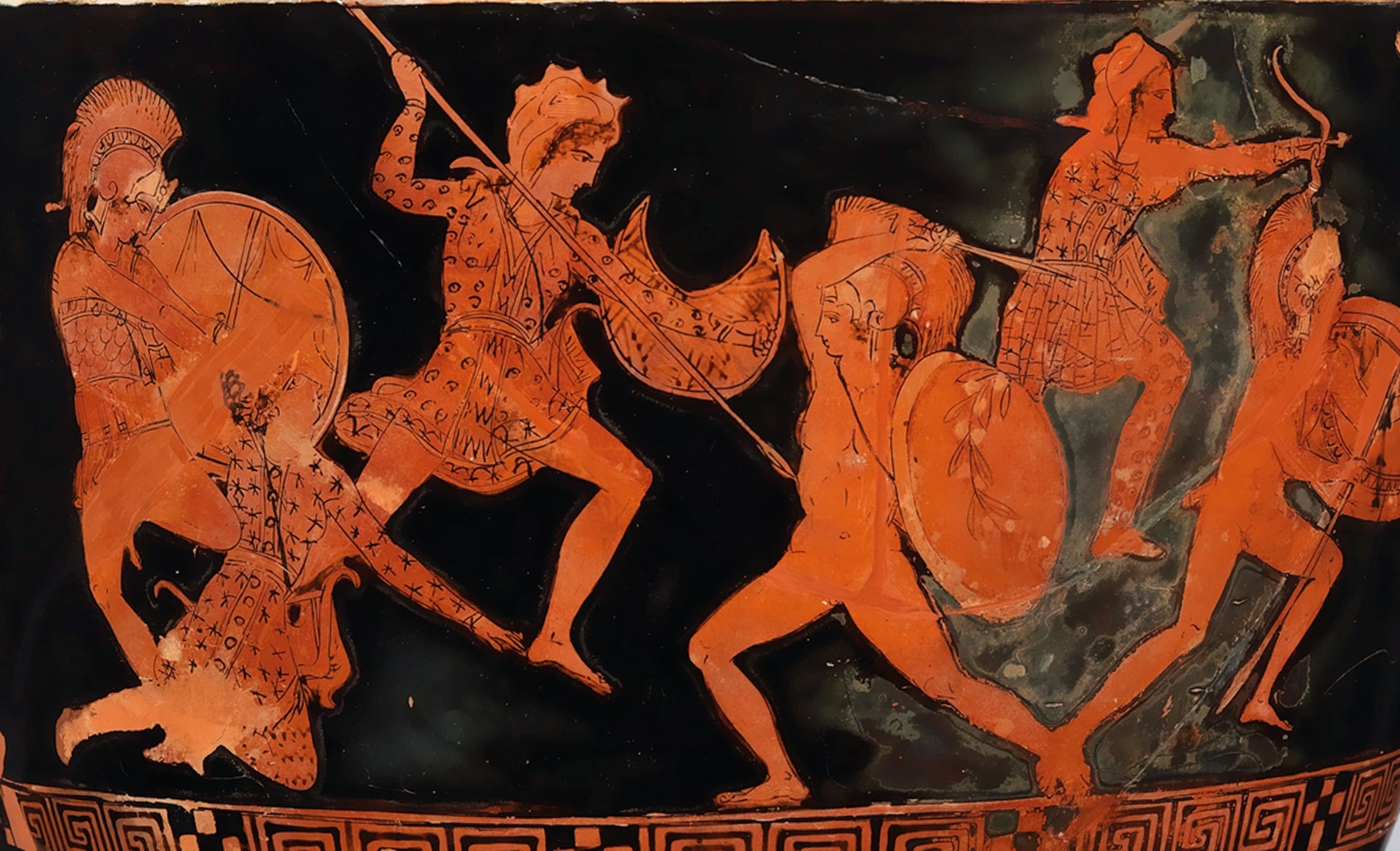
We hear of the Amazons in Greek myth and history. They are a society of female warriors and hunters, said to rear only their daughters, returning any sons they bore to their fathers. The fathers did not live with the women, but only visited from time to time to conceive children. The Amazon warriors were known for their agility and strength, and their skills at riding and archery (especially archery on horseback), as well as all the arts of combat. To face them was an intense testing of the skills of a Greek hero, as they were warriors much to be feared. They were even be compared to the monstrous and fire-breathing Chimaera, so fierce were they known to be.
Greek writers give various places as the original homeland of the Amazons. While we hear of Amazons moving through Lybia, Syria, and even Egypt, most writers placed them in more northerly locations. A number of places in Asia Minor claimed to be the home of the Amazons. Some myths locate them in ancient Lycia, in the southern part of Asia Minor. We also hear of them as allies of the Trojans, which is father north in Asia Minor. A famous Amazonian leader, Penthesilia, was said to be from Thrace. Herodotus says that they were “women of the Thermodon,” which is an ancient river that connects with the Black Sea. Themiscyra, anciently known as the home of the Amazons, and today called Terme, was a major ancient city on the Thermodon river. It is in far northeastern Türkiye. You may have heard of Themiscyra as the secret island home of the Amazons in Wonder Woman graphic novels. (Yes, we will get to her.)
Graves of Amazons were pointed out by the Greeks, and always with a sense of awe. As you might guess, the Greeks said that Ares was the father of the Amazons. Battles between Greek heroes and Amazon queens were frequent subjects of Greek vase paintings. Amazon legend grew, and we see these powerful warriors becoming more and more mythic.
But were there real Amazons?
It may be that these Greek stories had a basis in reality. In Azerbaijan (slightly farther east than modern Türkiye), Bronze Age (the same period as the Illiad) graves of battle-scarred warrior women have recently been found. The finger bones of these women showed extensive use of the bow, and their pelvic bones showed equally extensive evidence of a great deal of time spent in the saddle. Similar graves have been found in Russia and Armenia.
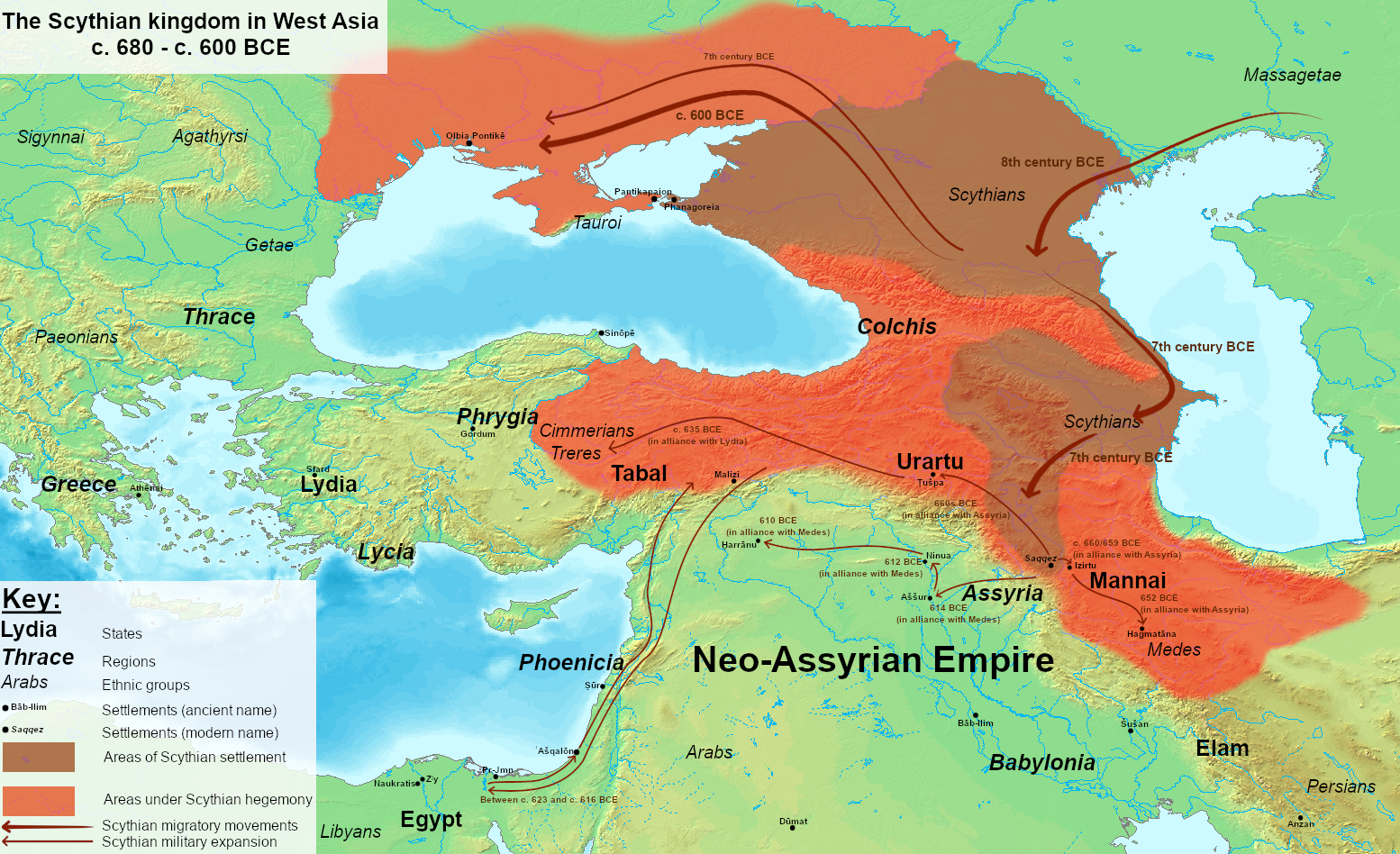
Herodotus calls the Amazons Oiorpata, which means “Man Killer” in Scythian. The Scythians were a nomadic, equestrian people who migrated from Central Asia to what is today Ukraine and southern Russia. They crossed the Caucasus Mountains and often raided into eastern Asia Minor, so it wouldn’t be too far off the mark to find them further west—such as western Asia Minor. It may well be that the fierce women warriors that sent such a chill down ancient Greek spines were indeed a reality.
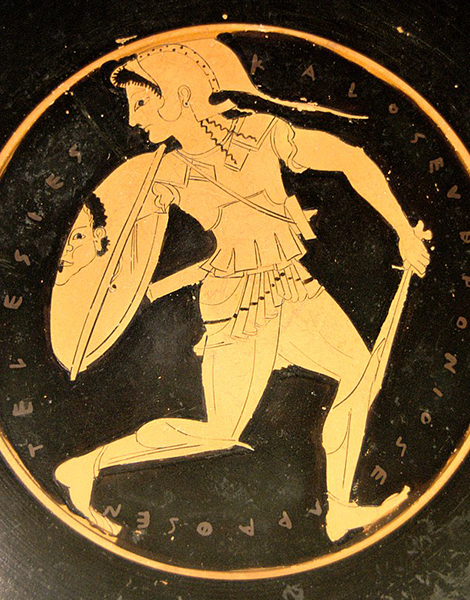
There is some interesting additional evidence that the Amazons depicted on Greek vases may have been Scythians. It was common practice for Greek ceramic artists to label the people in their vase paintings with names. This included some of the Amazon warriors they painted. While the names were painted with Greek letters, the names themselves couldn’t be deciphered as Greek. In 2014, researchers from the J. Paul Getty museum studied some of those Amazon names and turned them into phonetic sounds rather than words. Then they sent the sounds, without explanation, to linguist John Colarusso of Canada’s McMaster University in Hamilton, who is an expert on rare languages of the Caucasus (such as, oh, Scythian). He was able to translate them into names like “Don’t Fail,” “Princess,” “Hot Flanks,” “Worthy of Armor,” and “Battle Cry”—without knowing their source.
Therefore, the researchers think that the Greeks were recording actual Scythian names of warriors that they heard, but by simply sounding out the foreign names. What’s more, in remote villages in the Caucasus Mountains, women descended from the ancient peoples there today tell stories of their female ancestors being warriors. They explain that the men were always away from the villages, protecting the herds, so the women covered their faces in disguise, and they were the ones who fought to protect the villages. Coming upon such a village protected by women warriors, might easily give rise, in Greek minds, to the idea of an all-female society.
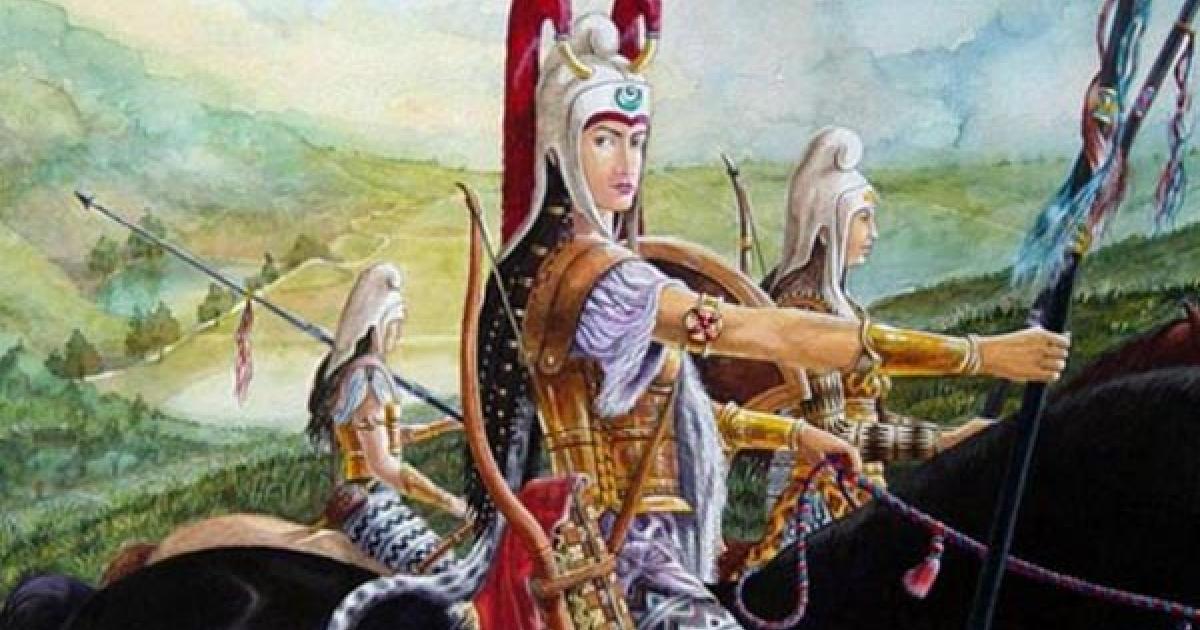
The rather phenomenal number of images of Greek men battling Amazon women in Greek art (and winning, of course) is notable. Scholars studying the Greek-Amazon mythos often add a gendered twist to that fact. (And I don’t think they’re wrong.)
Ancient Greek society = super-duper patriarchal; even, according to some scholars, woman-hating. The fierce, scary, and definitely-not-in-their-place-and-too-darned-uppity warrior Amazons, were giving just “too much masculine energy,” and had to be shown as being vanquished. Depicting Amazon battles on vases and in sculpture gave ancient Greek men the opportunity to show these “wrong” women being defeated by Greek men, over and over and over and over. And, of course, Greek women would see this art, too, and receive the same message: “stay in your place, woman.”
So, that’s our introduction to the Amazons. Where and how does Isis come into it?
Since this post has gotten long enough for today, we’ll get into that next time.
 Isiopolis