We usually connect the ancient Egyptian “Wandering Goddess” motif with fiery Lionesses like Tefnut and Sakhmet. And although Isis is indeed among our Wandering Goddesses,* right now, I’m thinking of a different type of wandering. I mean the kind of wandering that humans have always done, as they move from place to place, from nation to nation. For just as humans move, so do Goddesses. And Isis may just be the wandering-est of Them all.
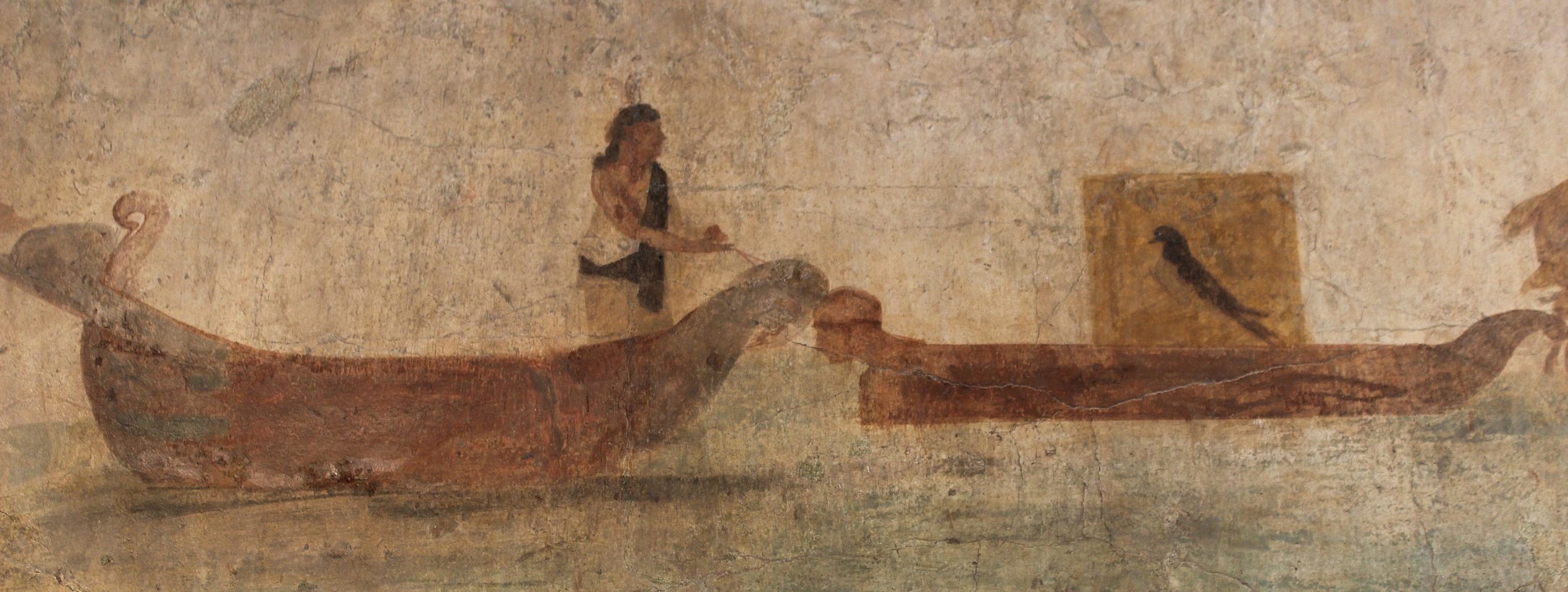
For from Her original home in Egypt, Isis moved. She moved into the Greek world, and then into the greater Hellenistic world (just as it moved into Egypt). She moved into Rome, and the lands that the Roman Empire eventually ruled. She moved across the European nations. She is found in Ephesus and Babylon and London. Through Her unique talent for extreme syncretism, Our Goddess—the Great Mother, the Great of Magic—was to be found nurturing and helping and healing and initiating people far, and farther, from Her native Egypt. Today, there is almost nowhere in the world that does not, at least, know the name of Isis.
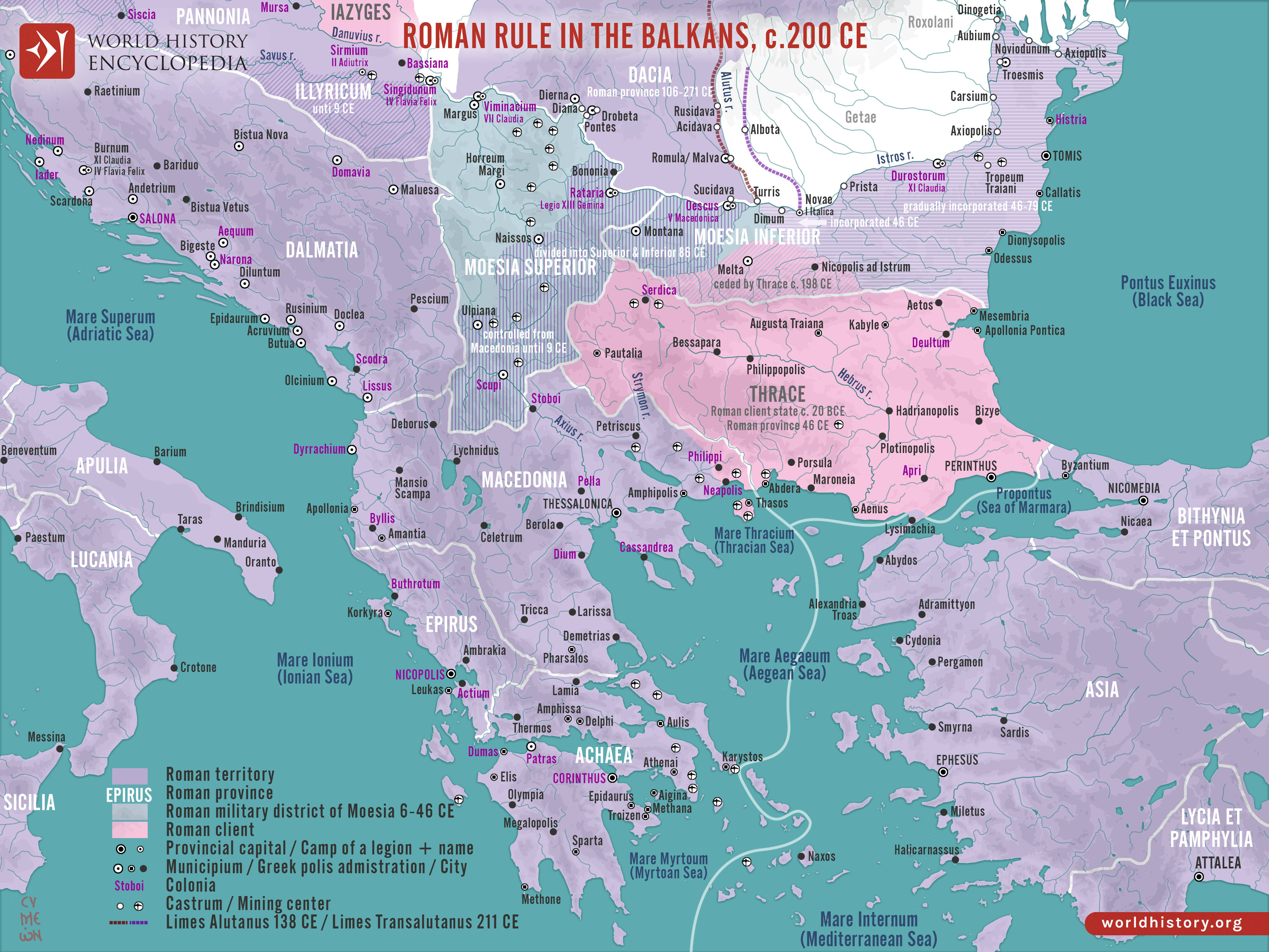
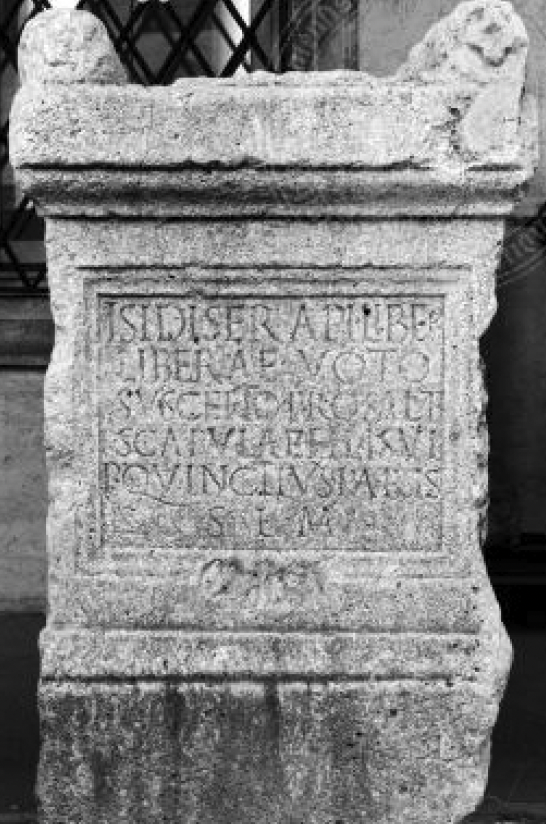
So today, I’d like to share with you some evidence, some vestigia, if you will, of Her wandering in a few of the far-from-Egypt places into which She wandered in ancient times. The time is about the second century CE, and the places are the Balkan and Danubian provides of the Roman Empire.
I came across an article specifically about the sistrum as emblematic of the worship of Isis in these provinces. And frankly, when I first found it, I thought it was probably going to be boring. But I was wrong. And there were pictures (which I will also share), so that’s fun.
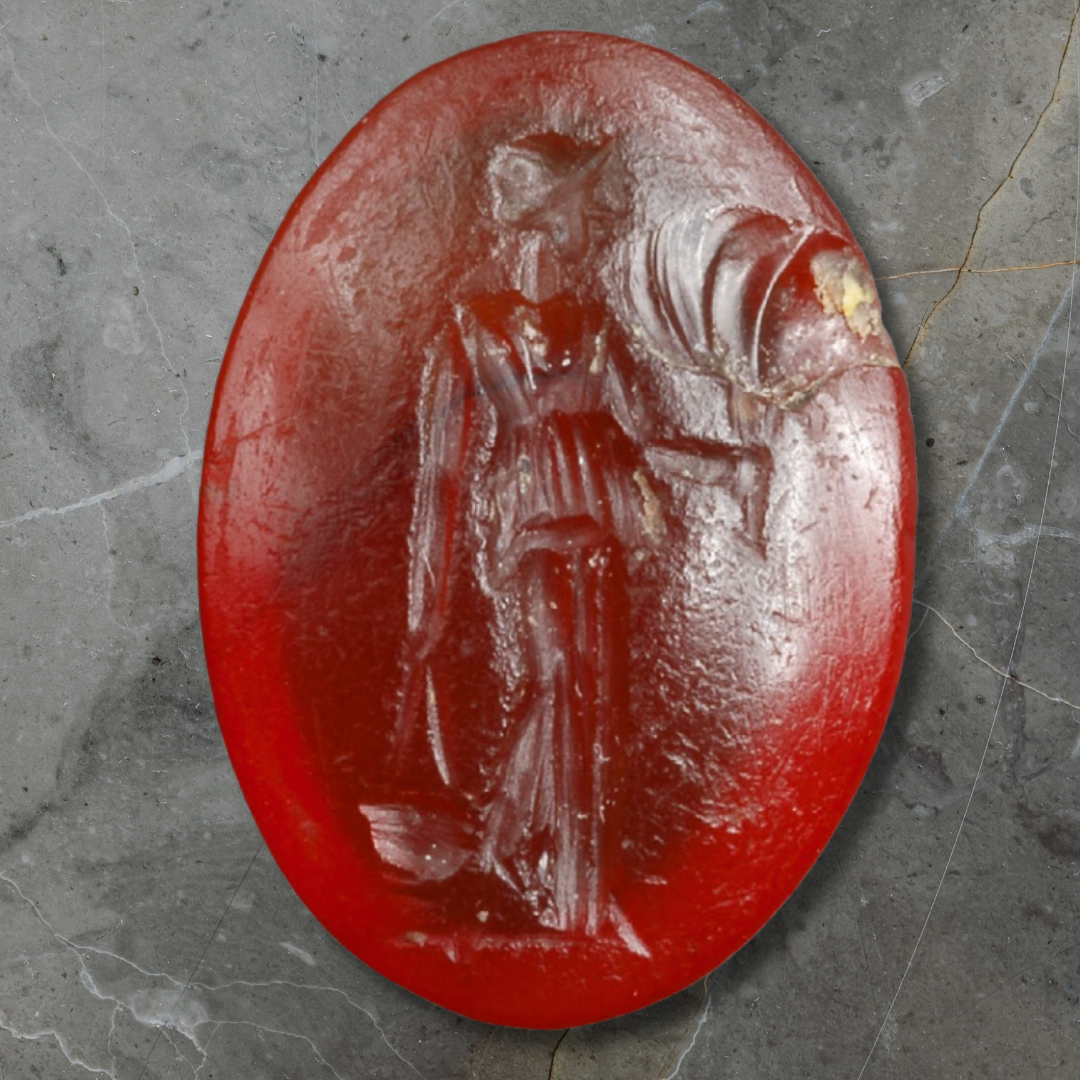
As you’ve already guessed, Isis came into these places with the Romans, for She was a ubiquitous, if sometimes controversial, Divine Presence in Rome. She was first worshiped in Roman cities privately, and later with state support, from the late 1st or 2nd centuries BCE.
The evidence we have of Isis in our Roman provinces mostly comes from a period when Her worship was (more or less) supported by the Roman government—from the Flavian period up to the Severan Dynasty, 69 CE to 193 CE.
This was a time when Her worship was at a high point throughout the entire Mediterranean region. There are remains of several Isis sanctuaries in the provinces we’re discussing which date from this period. (After that time, while the sanctuaries were still there and Isis was still present, most of the evidence of Isis worship comes from individual devotees, rather than state support.)
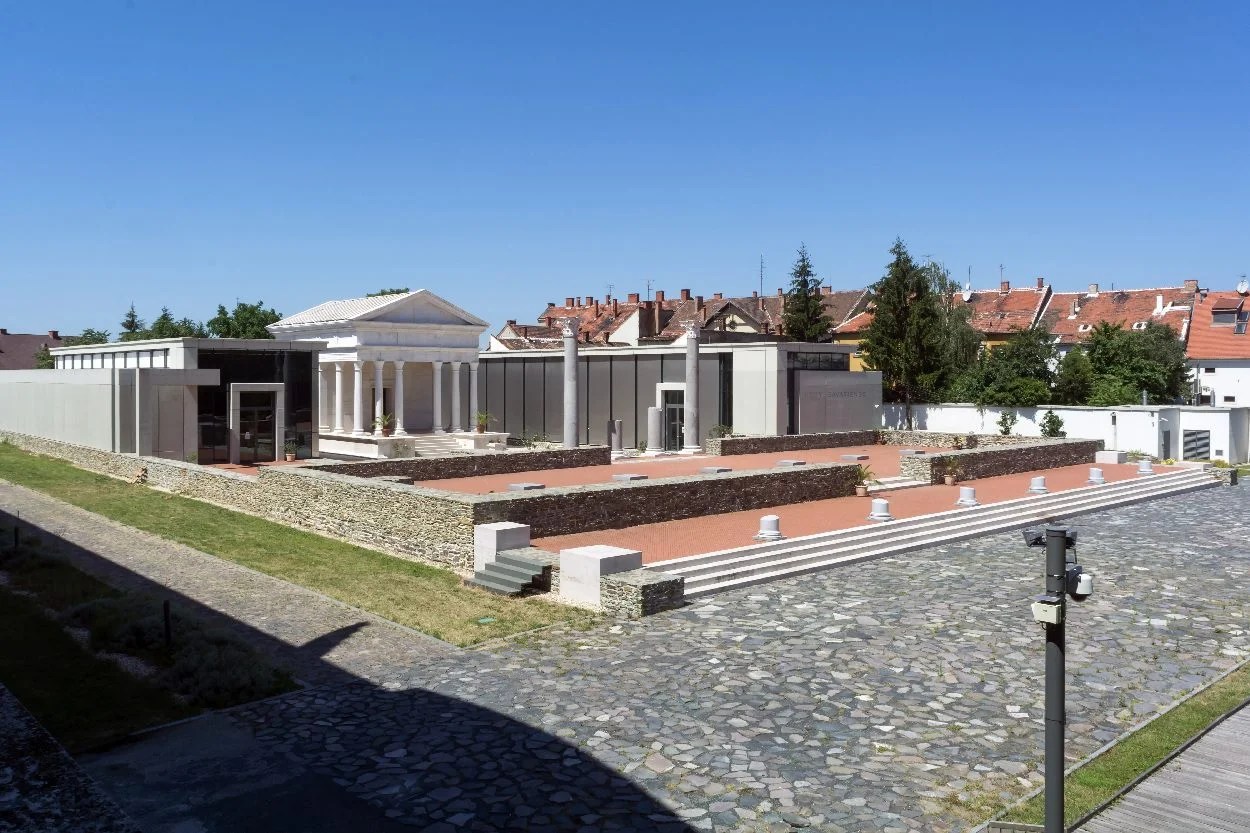
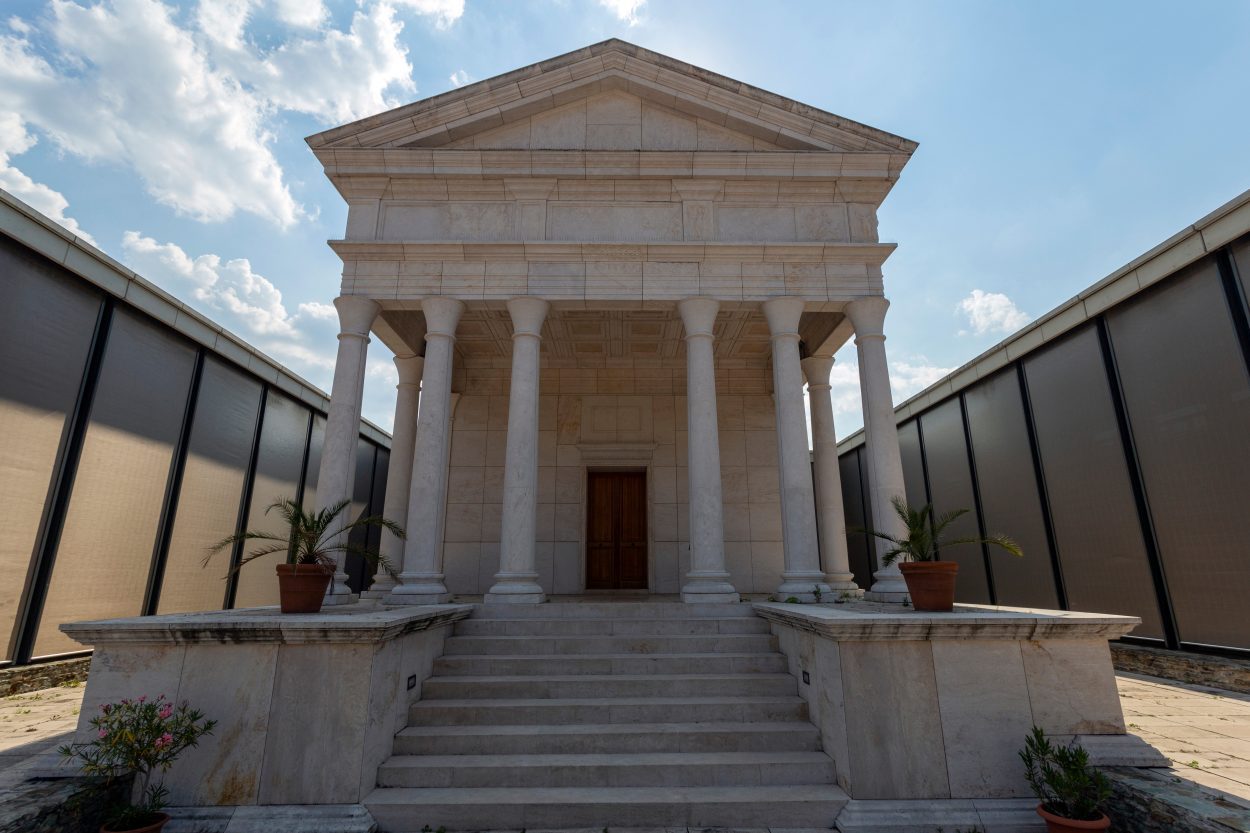
One of those sanctuaries, in Savaria (in the modern city of Szombathely, Hungary), has recently been rebuilt as a museum—or rather—it has been enclosed within a museum, and looks rather wonderful. All the provincial Isis temples were built along what is known as “the amber road,” a trade route that carried Baltic amber from the Baltic and North Seas to the Mediterranean.
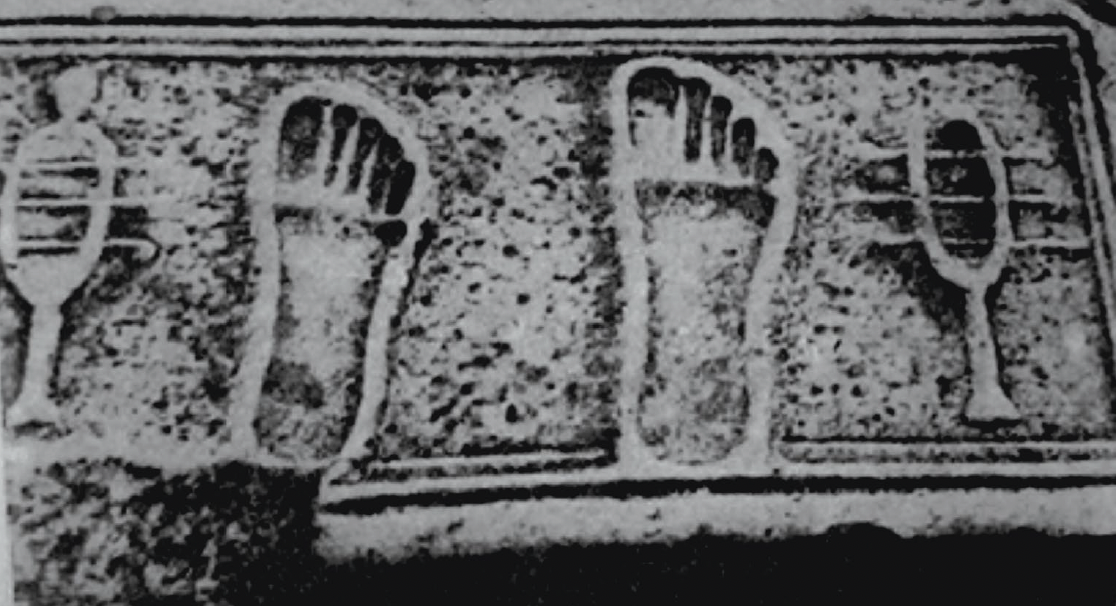
Sistra, or their representations, were most often found near the official sanctuaries, as well as in funerary contexts. In other words, they were found where they would have been most often used—in the sanctuaries—and also in tombs, where they may have served as symbols that marked a priestess or devotee of Isis. The actual sistra, and images of them, that have been discovered to date, are usually plain, or have a cat, or a cat with kittens, at the top. So, at least some of them were Bastet versions.
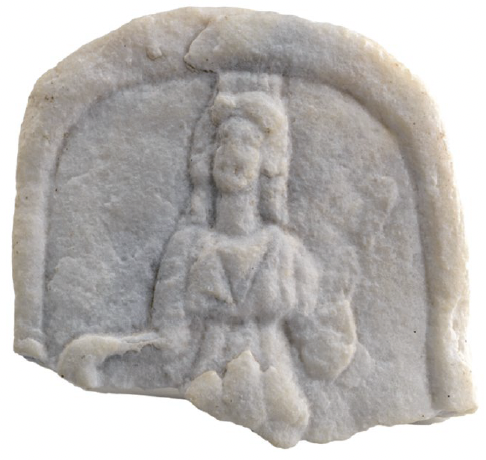
One interesting thing archeologists have found was a mold for an Isis figure that they believe was intended to be applied to vessels. So someone was making vessels with an Isis relief on them. I love it.
The earliest representation of a sistrum from these provinces is from Thessalonica (northern Greece; Macedonia), and dates to the second half of the 2nd century BCE. It’s on a plaque that mentions male and female mystes, or initiates, and is thus evidence of Isis and Osiris Mysteries in this area.
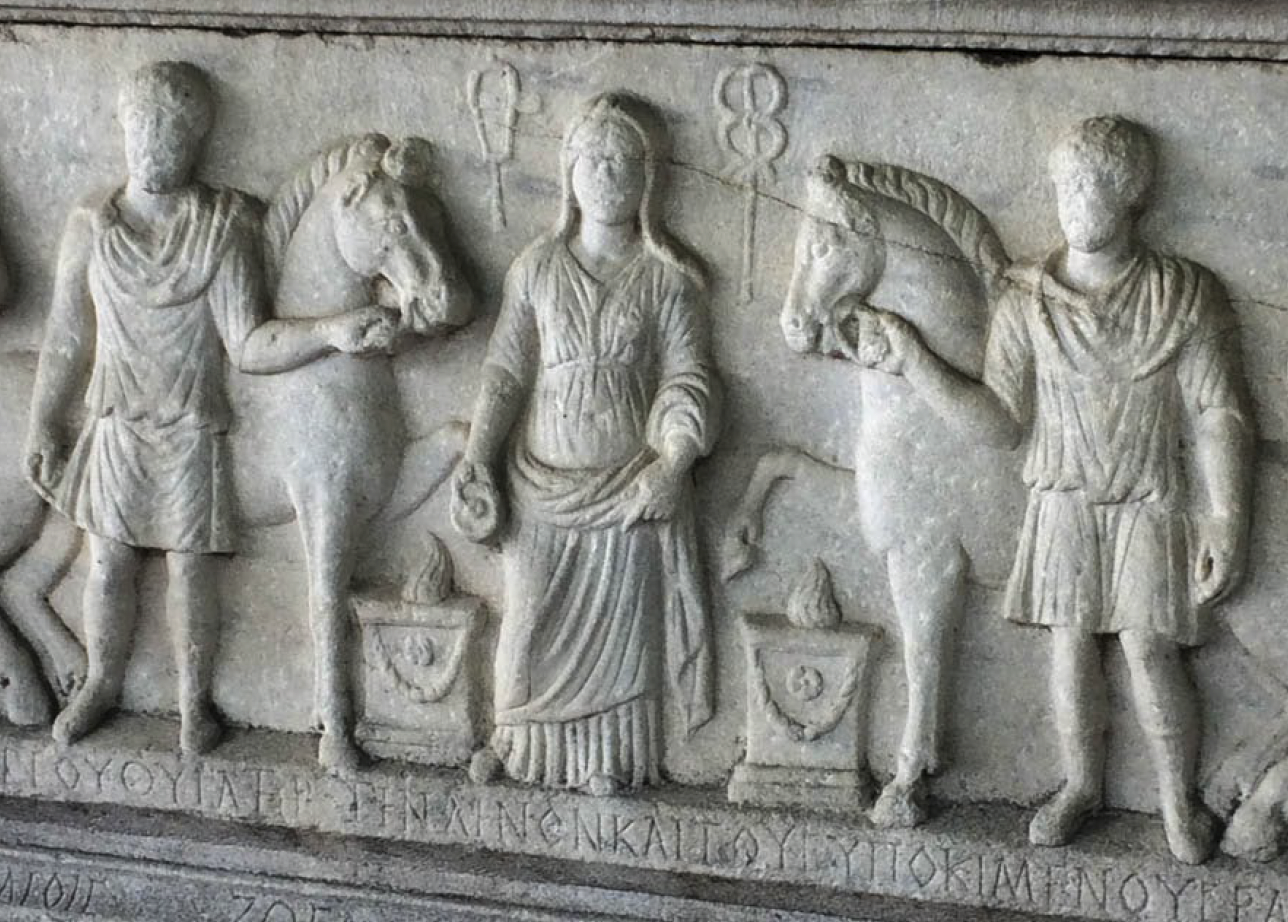
A Hadrianic-era marble sarchophagus of a woman named Annia Tryphaina, also found in Thessalonica, shows a scene of Isis ritual being conducted by a veiled priestess (perhaps Annia herself?).
Here’s something else I found interesting, also from Macedonia. During the excavations of the Isis sanctuary at Stobi, they found a small sistrum used as a pendant—a piece of jewelry. So just as I have a mini sistrum as a piece of Isis jewelry, at least one ancient devotee had a similar piece. The sistrum thus served as an Isiac amulet—just as it still does today.
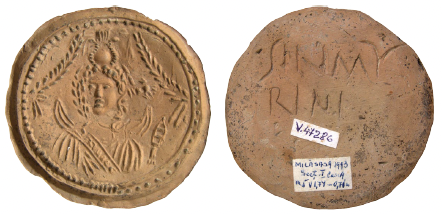
People in the provinces might also have Isis medallions to remind them of Her and demonstrate their devotion. This terracotta medallion has a rather charming bust of Isis on the front and an inscription on the back. It is now in the National Museum of Transylvanian History, in Cluj-Napoca, Romania.
Some of these Roman provinces also struck coins with Isis and Her sistrum (and sometimes Her situla) on them. Provinces in Moesia Inferior and Thrace (see map above) struck such coins.
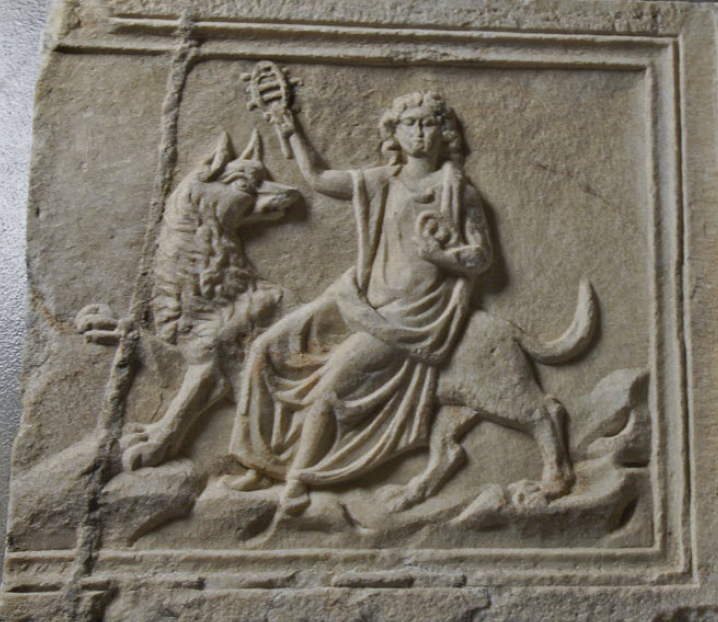
Since the article I’m reading focuses on the sistrum per se, the writers were cautious in their conclusions. But they made the interesting comment that the further north one goes, the less the sistrum seems to be an actual musical instrument, and the more it becames simply an attribute of the Goddess Herself. In other words, where we see sistra, whether or not they could actually be used as instruments, there we are likely to also find devotion to Isis.
As an attribute of the Goddess, I am always reminded of Plutarch’s discussion of the sistrum in his essay “On Isis & Osiris”:
The sistrum also makes it clear that all things in existence need to be shaken, or rattled about, and never to cease from motion but, as it were, to be waked up and agitated when they grow drowsy and torpid. They say that they avert and repel Typhon by means of the sistrums, indicating thereby that when destruction constricts and checks Nature, generation releases and arouses it by means of motion. (Plutarch, Moralia, Book 5, “On Isis & Osiris,” section 63)
The vibration of the rattling sistrum is as the constant vibration of the atoms that make up all things and shows the living activity of all things. Thus, it is an apt attribute of Our Lady Isis, Lady of Life, Who can not only “shake things up,” but also offers us the power of Her Divine Life to underlie and support all things.
 Isiopolis