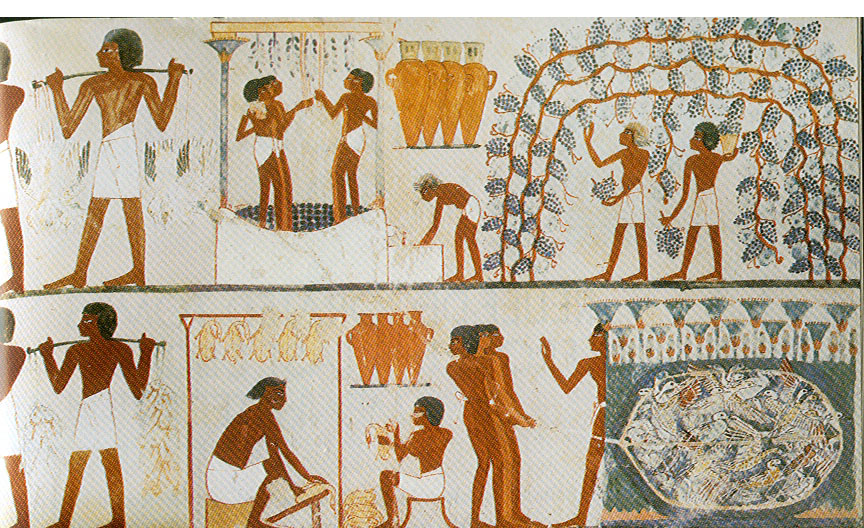
For the last few weeks, I’ve been working on some writing for and about Dionysos. I am His maenad and He is one of our household Deities. And so, naturally, it got me thinking about wine. What’s more, this is the time of year when we bottle last year’s vintage—and it’s almost-almost time to prune the vines. So I’ve got wines and vines on my mind.

How did an Isis devotee also come to be a maenad of Dionysos, you may ask? Here’s the short version…
After years of Goddess devotion to Isis, I felt that I should also have a devotion to a God. Naturally, the first God to Whom I looked was Osiris. So, I meditated with Him, I did ritual with Him, I thought and pondered on Him. He is wonderful, powerful, quite beautiful. But He didn’t grab my soul and shout, “Mine!”
A few years later, a friend felt called to resurrect the Oracle of Delphi (or Oracle of Portland, if you want to be a stickler about it) and had enlisted a group of us to help take the ritual roles. We worked the Oracle once a summer for six or seven years, I think. During that time, I played a variety of ritual roles, from Pythia to serving priestess. Sometime during the process, I decided I wanted to play Dionysos. No reason a woman couldn’t play this androgynous God!
And there wasn’t. And that is how Dionysos claimed this Isis devotee.
But, I wasn’t the only one. A whole thiasos full of Bacchants came out of those rituals, including my Bacchant husband. It’s why we have wine vines in the backyard. It’s why we have a yearly Grape Harvest & Bacchanal. It’s why we have way too much Syrah in the cellar, aging.
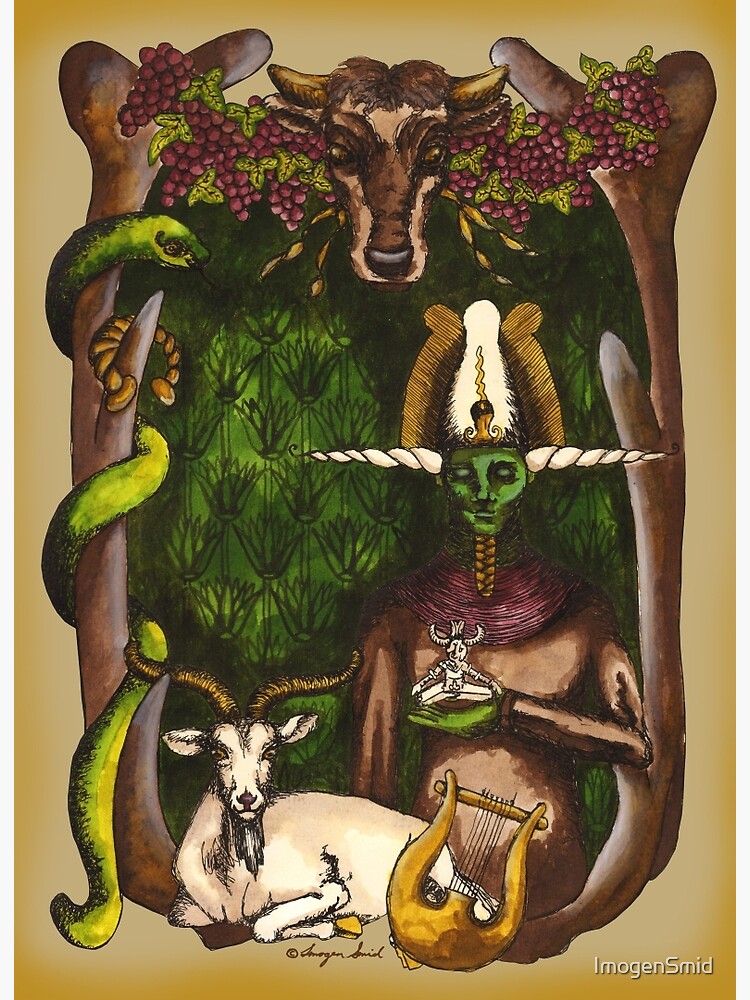
Osiris & Dionysos
What’s more, I’m not the first Isiac to be devoted to both Isis and Dionysos. Not by a long shot. You may recall that Plutarch wrote his essay “On Isis and Osiris” to a priestess friend of his, Klea. He writes to her about Isis and Osiris because Klea is a priestess of Isis. But she is also the leader of the thyiades at Delphi. Thyiad is the Delphic name for maenad, the Divinely mad female followers of Dionysos. So Plutarch’s friend, Klea, is both a devotee of Isis and of Dionysos. Plutarch writes:
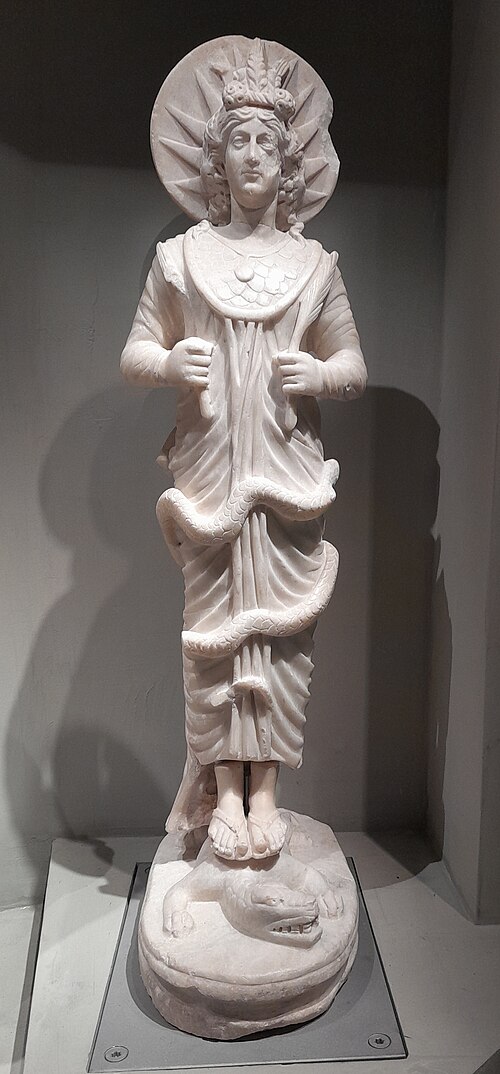
“That Osiris is identical with Dionysus who could more fittingly know than yourself, Klea? For you are at the head of the inspired maidens of Delphi, and have been consecrated by your father and mother in the holy rites of Osiris.”
So, by Plutarch’s time (2nd-century CE), the identification of Dionysos with Osiris is so complete that the priest can say They are “identical” and know that his confidant will readily agree. But Osiris’ connection with Dionysos goes back much further than Plutarch’s time. The Greek historian Herodotus writes about it in the 5th-century BCE. He says the Egyptians themselves said that Osiris is “the same as” Dionysos. So similar that Herodotus thinks the Greeks probably got His rites from Egypt. Diodorus Siculus, at about that same time, confirms that the rites of Osiris “are the same as” those for Dionysos. In fact, Osiris’ connection with wine goes back even further; He is known as Lord of Wine as early as the Pyramid Texts (2400-2300 BCE).
In the Greco-Egyptian Magical Papyri, the “blood of Osiris,” clearly wine, is poured into a wine cup, and is to be given to a woman as part of an erotic spell: “Give it, the blood of Osiris, that he gave to Isis to make her feel love in her heart for him night and day at any time, there not being time of deficiency.”
Writing to Klea, Plutarch relates more about the similarities of Osiris and Dionysos. He notes that the procession for the Apis bull looks very much like a Dionysian procession, thus both Osiris and Dionysos are Gods connected with the bull. Both Gods are torn to pieces—Dionysos by the Titans and Osiris by Set. Both Gods are resurrected afterwards; Dionysos by being born again of Semele and Osiris by being magically born again after Isis reassembles Him. Both Gods are Lords of Moisture, both are associated with trees. One of the sacred plants of Dionysos, ivy, is called by the Egyptians, “the plant of Osiris.”
No doubt, the association of Osiris with wine is the reason another story tells us that Isis became pregnant with Horus by eating grapes.
In addition to Her marriage to the Lord of Wine, Isis has Her own associations with the vine and with the Greek Wine God Dionysos. Isis Herself is also given the epithet Mistress of Wine and Beer. The Greeks considered the sacred star of Isis, Sirius, to be the bringer of wine since its late-summer rising coincided with the beginning of the harvest season. Ancient writers also speculated on a variety of Isis-Dionysos connections. One said that Dionysos is the son of Zeus and Isis. Another called Isis the daughter of Prometheus and said that She lived with Dionysos. Herodotus recorded the tradition that Apollo and Artemis are the children of Dionysos and Isis. The Ptolemaic rulers Auletes and his daughter, Cleopatra VII, identified themselves with Dionysos and Isis respectively, calling themselves “the new Dionysos” and “the new Isis.” In the Temple of Isis in Pompeii, sacred images of both Isis and Dionysos stood before the worshippers. And, of course, both Isis and Dionysos are Mystery Deities for both have suffered and so can have sympathy for human beings in our individual sufferings.
Egyptian Wine Culture
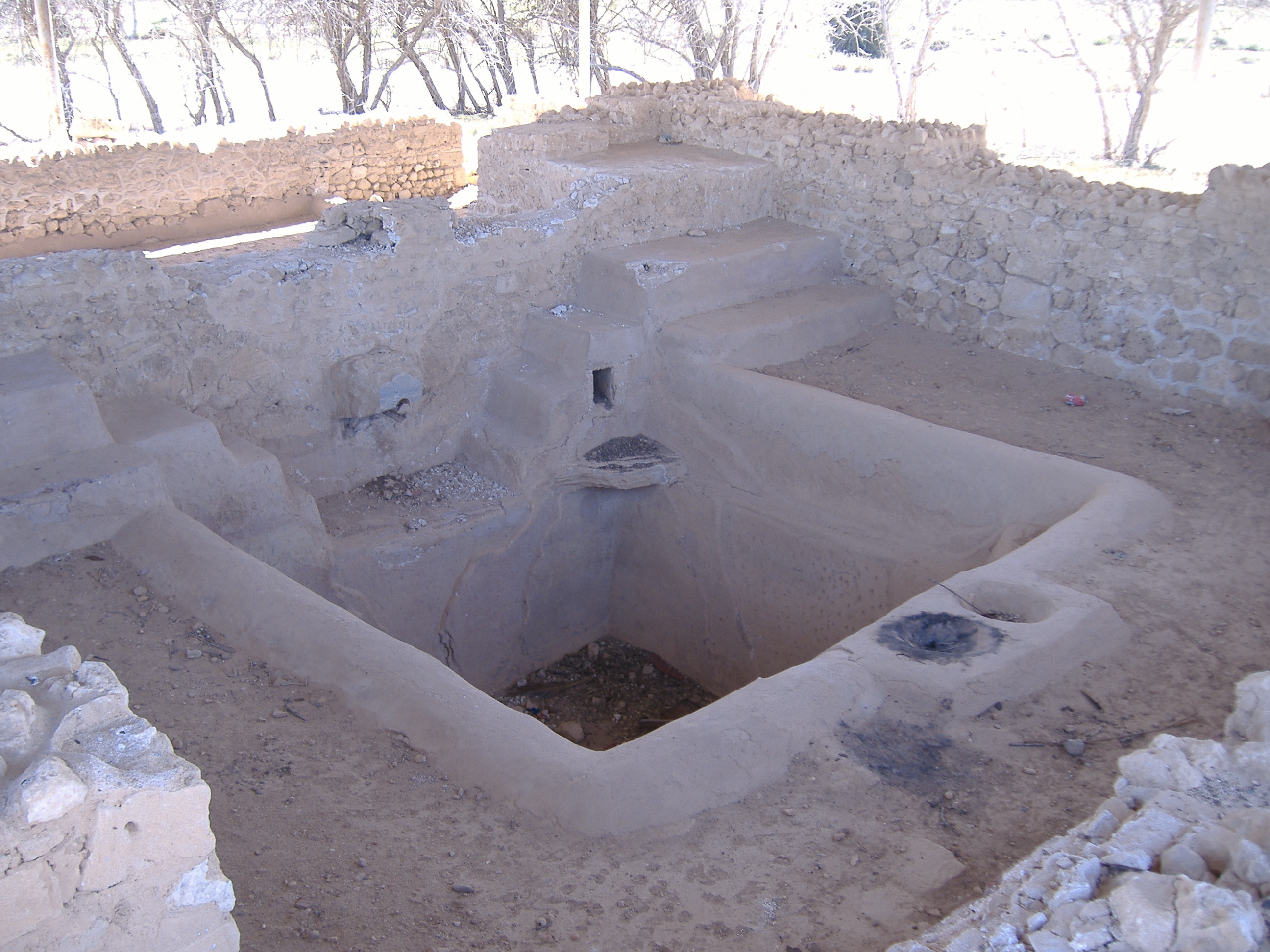
The grapevine is not native to Egypt, but by the early third dynasty, Egypt had a viticulture industry all its own. Still, wine was expensive and it was generally reserved for the wealthy and priestly classes, for tomb offerings, and for the Goddesses and Gods. The Egyptians made both red and white wines; a Greek writer commented quite favorably on the quality of Egyptian wine. Due to its Mediterranean climate and the greater availability of water, most ancient Egyptian vineyards were located in the Nile delta, though Isis’ temple at Philae in Upper Egypt owned a vineyard, too.
Several delta cities had a reputation for their fine wines, including Sebennytos, the town near Isis’ great temple at Isiopolis. It was common for temples to have their own vineyards (see Philae above). There was even a tradition in Egypt that, on occasion, the water of the Nile turned to wine. Epiphanius, the early Christian polemic writer, tells us that many people attested to this Nile-water-into-wine miracle. Of course to Epiphanius it was a Christian miracle, taking place on the 6th of January and commemorating Jesus’ water-into-wine miracle.
Wine can also be associated with Isis as a Healing Goddess. Wine and beer were the delivery media for many an ancient remedy. Ancient medicines often listed a variety of herbal ingredients to be put into wine, then the patient was to drink the potion for a particular number of days. And, of course, as Goddess of Magic, Isis is often part of the cure for “Magic is effective together with medicine. Medicine is effective together with magic,” according to the Ebers medical papyrus. The papyrus even begins with a prayer to Isis, Great of Magic.
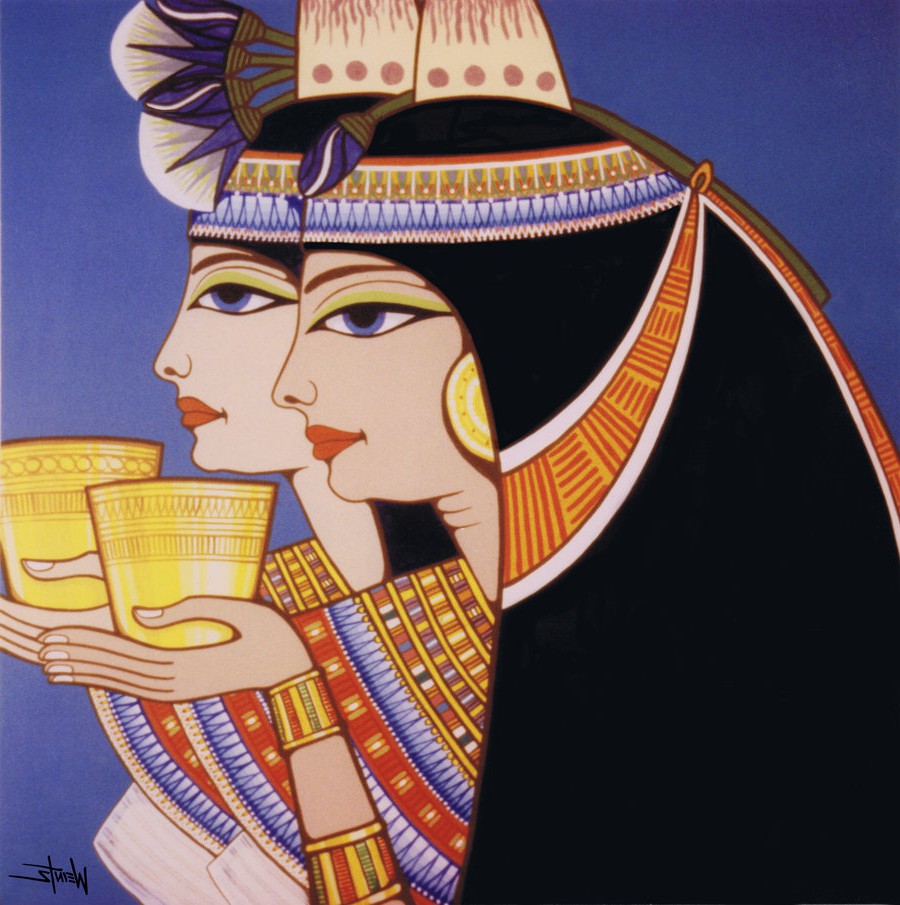
As for other Deities, wine was a common offering to Isis. Due to its costliness, it was a valuable offering, but wine was also thought to temper the sometimes-fierce nature of the Goddess. For, like Hathor and Sakhmet, Isis could be offered wine to “make Her heart rejoice” so that She would not be angry. Temples of Isis in Egypt and even further afield bear evidence of offerings of wine. Isis’ temple at Philae has wine-offering scenes carved on every doorway lintel down the central axis of the temple, as well as in side sanctuaries and on exterior walls.
A wine cup dated to 73 CE was found in a shrine of Isis on the island of Paos in the Aegean and includes an inscription to “Isis the Great.” An ancient Roman wine jug discovered in Southwark, England has an inscription that reads: Londini ad Fanum Isidis (“to the Temple of Isis in London”). Wine vessels are included in the Roman Isis procession described by Apuleius, yet candidates for initiation into the Mysteries of Isis had to refrain from drinking wine for ten days before an initiation.
Isis, the Mistress of Wine, is married to Osiris, Lord of Wine, and Their Holy Child is conceived by the consumption of grapes. And so our Lady is both the green Goddess of the vine and the purple Goddess of the wine.
 Isiopolis